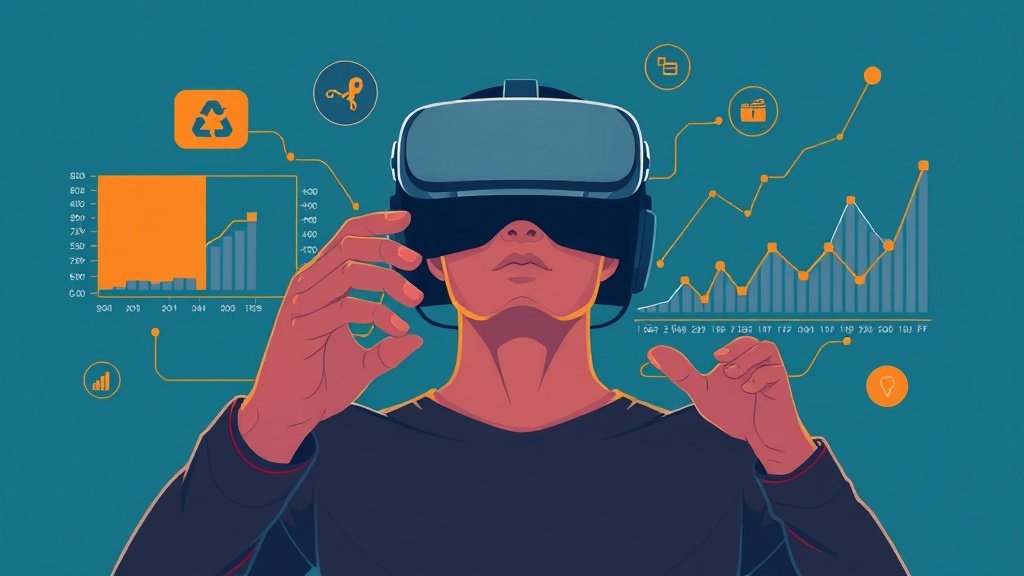
Spatial computing is not just a gadget. It’s a new screen for entertainment. This shift demands new ways to make money, far beyond standard subscriptions or linear ads.
Platforms must rethink their entire business model. The old “rent a library” approach won’t capture the full value of truly immersive experiences. Think “participate in a world.”
This isn’t just about watching a movie in VR. It’s about being *inside* the story. Or interacting with other fans in a shared virtual space. Users already spend hours in Roblox or Fortnite, not just consuming, but creating and socializing. That’s the real competition for attention.
Gaming already shows the way. A game like Fortnite, free to play, makes billions from virtual items. Skins, emotes, season passes – pure digital goods. This model translates directly. Imagine a virtual “concert ticket” with a unique outfit for your avatar.
Subscriptions will still exist, but they’ll likely unlock a *platform*, not just a static catalog. Beyond that, expect microtransactions for exclusive virtual content. User-generated content (UGC) will become a revenue driver, with creators earning a cut from their popular virtual spaces or items. This decentralizes content creation and expands offerings.
Ads will move from interruptions to integrations. Imagine a virtual billboard within a spatial experience, or brand-sponsored objects in a shared social space. Product placement becomes seamless. This opens up entirely new ad inventory.
Cloud gaming platforms like GeForce NOW or Xbox Cloud are proving the tech for complex streaming. Companies like Meta already pour billions into the metaverse concept, signaling belief, even with slow user adoption today. Look for growth in VR game sales, not just headset unit sales. That’s where the content value truly sits.
Hardware makers and operating system owners (Apple, Meta, Google) will control the gateways. Content creators who can build compelling 3D worlds will win big. Traditional OTTs that can adapt their IP to interactive spatial experiences will thrive. Those stuck on flat screens? They risk becoming just another app, losing prime “spatial time” to gaming or social VR.