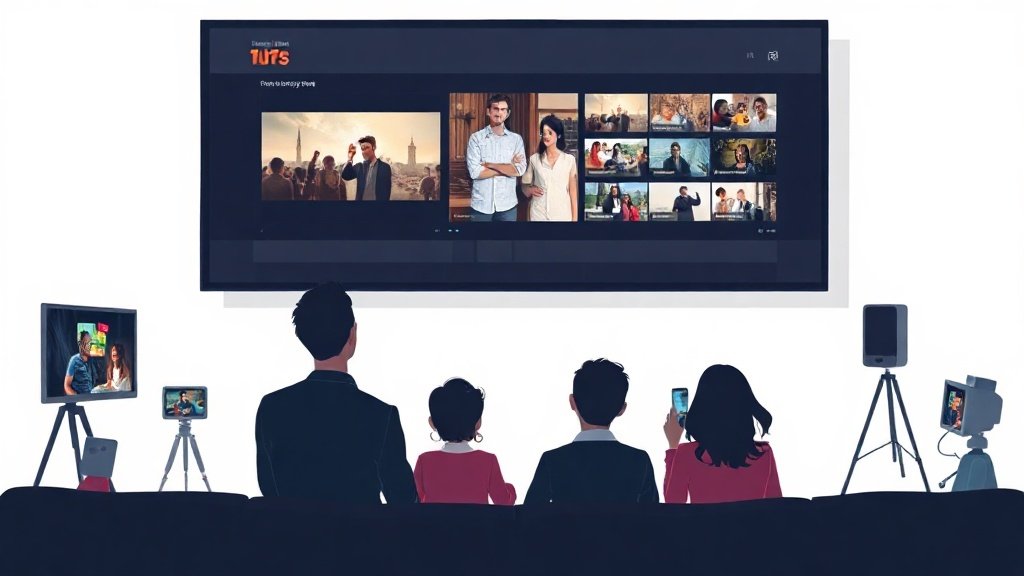
Spatial computing reshapes entertainment. It moves us beyond flat screens. Viewers no longer just watch; they participate, they exist within the content. This shift changes everything for how platforms make money.
This isn’t sci-fi for tomorrow. It is here today, in nascent forms. It means moving from a simple subscription or ad view to more complex, engaging revenue models. Think gaming, not just streaming.
The core shift is interaction. Immersive media blends digital information with the physical world. It makes content something you are “in,” not just something you “see.” Whether through VR headsets like Meta Quest or high-end devices like Apple Vision Pro, or even just advanced AR on a phone, the user experience becomes active.
This active participation demands new monetization. A flat monthly fee for ‘being present’ in an experience often doesn’t align with value. Users spend more when they can personalize their experience, gain advantages, or unlock exclusive content. This is where gaming offers a clear playbook.
Consider the gaming industry. It consistently generates over $150 billion in annual revenue, dwarfing global box office numbers. Much of this comes from in-game purchases, battle passes, and virtual goods. Users pay for skins, emotes, extra lives, or access to new levels. They pay for enhancements, not just entry.
Entertainment platforms must adapt this model. Subscriptions might offer baseline access. But the real revenue will come from microtransactions within spatial experiences. Imagine paying for a premium seat at a virtual concert, custom avatar outfits for a metaverse event, or interactive story choices in a movie. It’s about selling experiences and unique digital items.
Hybrid models will prevail. A baseline streaming subscription could give you access to a library of spatial films. Then, a $5 in-app purchase might unlock a unique interactive perspective or an exclusive virtual souvenir. Ad placements can also become native to these 3D environments, seamlessly integrated rather than interruptive pop-ups.
We see early signals. Apple’s App Store model, with its robust in-app purchase infrastructure, is built for this. Meta continues to invest billions in its Quest ecosystem, betting on a future where virtual goods and experiences drive significant ARPU. Companies like Epic Games, with Fortnite, have already mastered selling digital pride and personalized play, generating hundreds of millions yearly from V-bucks alone.
Who gains? Platforms that can foster rich developer ecosystems and offer tools for easy creation of interactive, immersive content. Companies that understand digital economies and community engagement. Gaming studios are already well-positioned. Who loses? Purely linear content providers stuck in the passive viewing paradigm, unable to pivot to interaction and personalization.
Watch for how ARPU evolves in these spatial environments. Will users spend more than their monthly streaming subscription on these micro-interactions? Also, monitor developer adoption. The ease of building compelling spatial content will dictate the speed of this market shift. The “killer app” for immersive media isn’t just about hardware; it’s about the content that makes people want to be inside it, and spend inside it.