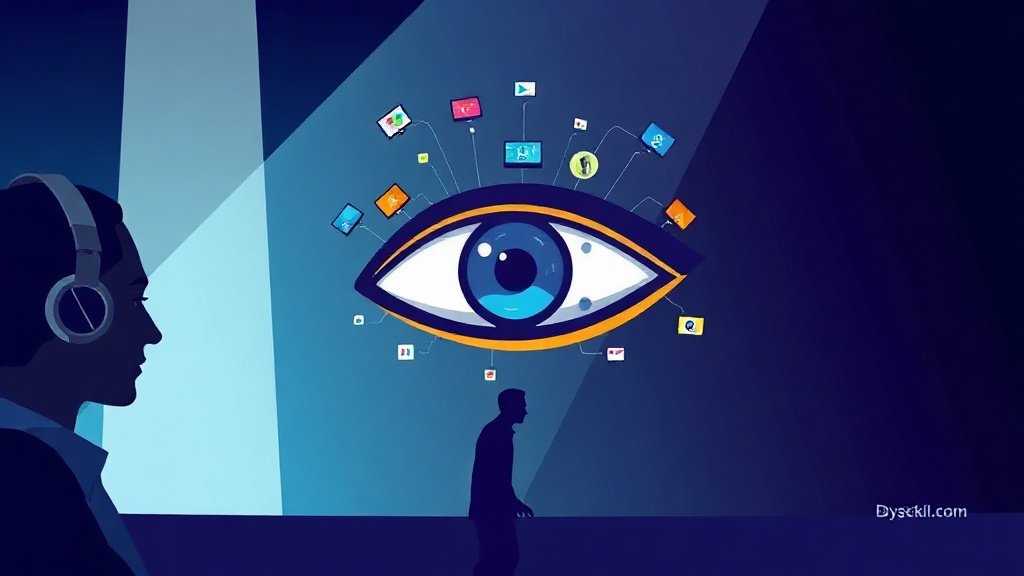
The real business of digital entertainment isn’t just the shows or games we watch. It’s the complex machinery making them profitable. We talk a lot about content, but the battle is won or lost in distribution, infrastructure, advertising, and the brutal economics of consumer attention.
Ignoring these gears means missing the engine’s hum. This industry runs on reach, reliable tech, smart monetization, and a relentless fight for eyeballs. It is a platform business, an attention business, as much as it is a creative one.
Distribution is the first hurdle. You can have the best content, but if people cannot easily find or access it, you’re dead in the water. This means more than just an app store listing. It’s about smart TV integrations, telecom bundles, and aggregator deals. JioHotstar’s early growth in India leaned heavily on its tie-up with Reliance Jio mobile subscribers, proving that carrier reach is gold.
Consider Amazon Prime Video’s strategy. It’s bundled with a shopping membership, gaining instant, massive distribution leverage. Disney+ also used bundling effectively, particularly with Verizon in its early days. This strategy cuts down on customer acquisition costs and boosts subscriber numbers fast. Others without deep pockets struggle to gain similar footholds.
Then comes infrastructure. The digital pipes must hold. Content delivery networks (CDNs), cloud services, and data centers are the unsung heroes. A choppy stream or a laggy game isn’t just annoying; it’s a direct path to churn. When Hotstar serves millions of concurrent users during a cricket match, it’s not magic; it’s massive, resilient infrastructure at work.
Gaming needs this even more. Cloud gaming services, like Xbox Cloud Gaming, demand ultra-low latency. Without it, the experience breaks. These underlying tech investments are not optional. They directly impact user experience and retention, making the silent cloud providers (AWS, Azure, GCP) indispensable partners.
Advertising is the new old friend. Subscription fatigue is real, and the ad-supported tier offers a lifeline for growth. Netflix’s ad-supported plan and Disney+’s bundled offering with Hulu show the strategic pivot. Ad revenue diversifies income streams and allows for lower price points, attracting a broader audience.
YouTube generates billions in ad revenue annually, demonstrating the scale possible. Advertisers are following the eyeballs from linear TV to digital. This shift means platforms must build robust ad tech stacks. Programmatic buying and targeted ads are the new standard, making every impression count more than ever.
Finally, we battle for consumer attention. Time is finite. Every minute spent on TikTok or a mobile game is a minute not spent on a streaming service. Short-form video platforms dominate daily “snack time” engagement. Gaming apps often report MAU/DAU figures that dwarf traditional streaming.
Esports viewership continues to grow, drawing time away from passive entertainment. VR and AR are also emerging contenders, vying for immersive attention. The fight isn’t just Netflix versus Disney anymore; it’s everyone versus everything digital. Retention strategies must consider this broader competition.
Succeeding in digital entertainment means mastering the entire value chain. It’s about more than great content. It’s about shrewd distribution, robust infrastructure, intelligent ad monetization, and winning the unrelenting war for consumer attention. The content gets them in the door; everything else keeps them there and pays the bills.