Digital entertainment is more than just shows and movies. It is a complex machinery of pipes, processing power, and people’s patience. Success hinges not just on great content, but on how that content travels, where it lives, who pays for it, and crucially, who watches it.
This is a business built on four pillars: distribution, infrastructure, advertising, and the relentless fight for consumer attention. Ignore any one, and your streaming empire crumbles.
Distribution used to be simple: build an app, attract subscribers. Now, it is a war for shelf space. Telcos and aggregators increasingly own the direct connection to the customer. When Jio bundled Disney+ Hotstar in India, subscriber numbers exploded. This wasn’t just content; it was superior customer acquisition. Disney got massive reach, Jio kept users on its network.
Pure-play streamers without strong distribution partners face higher customer acquisition costs. They must fight harder, or pay more, to get seen. Expect more aggressive bundling and super-app strategies from tech giants and telecom players. They want to be the default entry point to digital life.
Infrastructure is the plumbing. It is often invisible but always critical. Think content delivery networks (CDNs) and cloud computing power. Viewers demand instant load times and perfect resolution, whether watching a 4K drama or playing a cloud game. There is no patience for buffering.
Companies like AWS and Akamai are the silent winners here, fueling the entire industry. They provide the backbone that makes streaming possible and scalable. Streamers who invest in efficient tech keep costs down and quality high. Those who skimp risk losing viewers to a better-performing competitor, no matter how good their show.
Advertising is the other side of the money coin. For years, subscriptions reigned supreme. Now, Netflix and Disney+ have both embraced ad-supported tiers, chasing YouTube’s massive ad revenue stream. This diversification acknowledges that there is a limit to how much people will pay in monthly fees.
Ad-supported video on demand (AVOD) and free ad-supported streaming TV (FAST) channels are booming. They offer lower price points for consumers and new revenue streams for platforms. Ad-tech firms, especially those with rich first-party data, are suddenly vital partners. The move suggests the industry has matured from an all-out land grab to a more nuanced revenue strategy. Ad-supported tiers improve ARPU for many platforms, even with a lower base subscription.
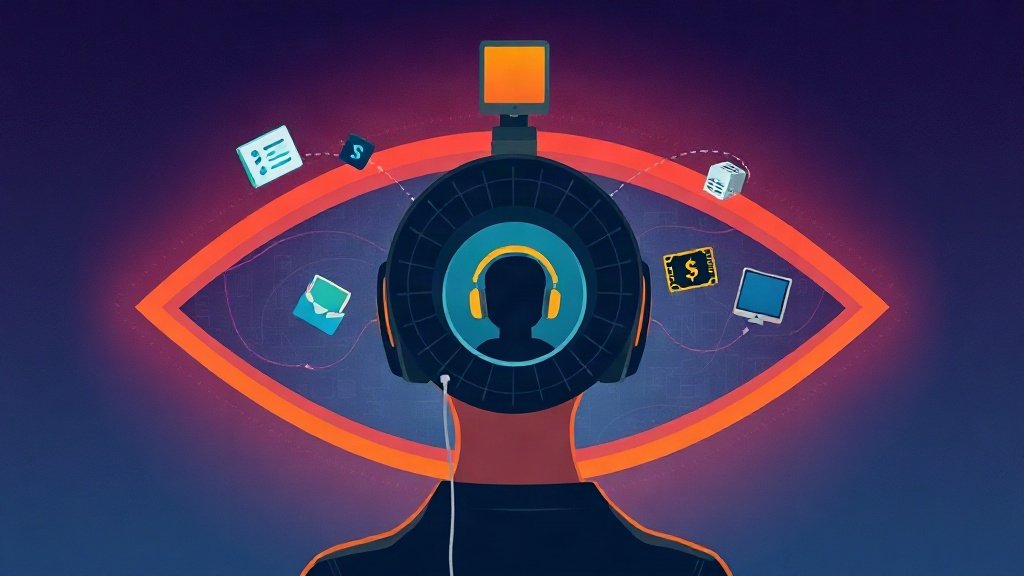
Finally, we reach consumer attention. This is the ultimate, finite resource. The competition is not just other streamers. It is TikTok, it is Fortnite, it is Instagram Reels. Younger demographics often spend more time gaming than watching traditional video. Short-video apps command billions of active users daily, each minute pulled from somewhere else.
Platforms must offer more than just passive viewing to keep audiences engaged. Gamification, interactive content, and robust social features are becoming crucial to reduce churn. The fight is for screen time. It is a battle for the eyeballs and brain space of every potential viewer, every waking moment. The platforms that provide diverse forms of engagement—from gaming to social interaction—will ultimately win more of this precious commodity. Expect continued investment in content beyond linear narrative, into interactive experiences and multi-platform storytelling.