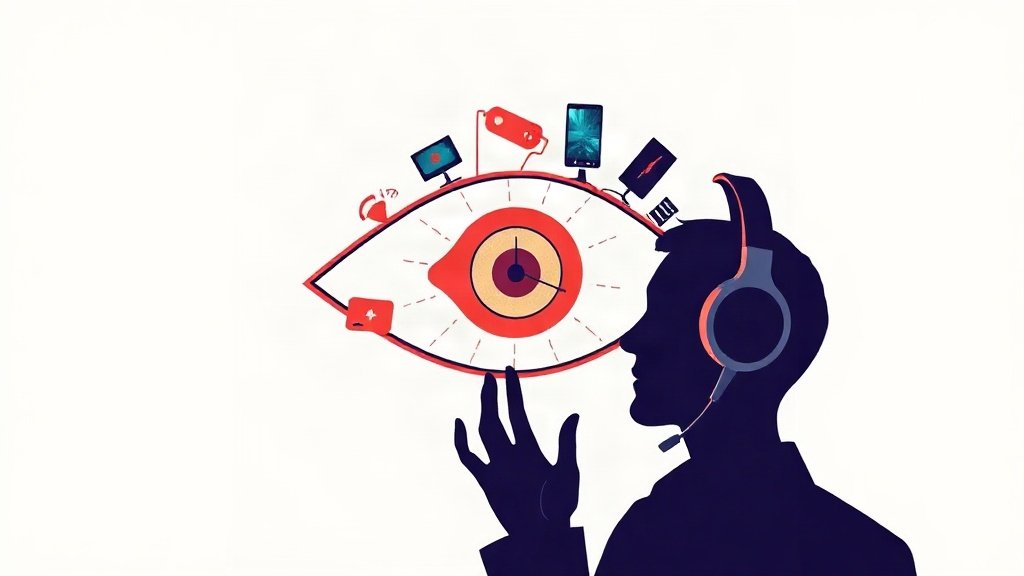
The free money faucet has tightened. Digital entertainment companies no longer spend like venture-backed startups with infinite runways. The focus has shifted from subscriber land-grabs to hard-nosed profitability.
This isn’t about mere belt-tightening. It’s a fundamental change in how content is financed, distributed, and monetized. The entire ecosystem is adjusting to a world where every dollar spent must prove its worth.
The era of growth at all costs is over. Streaming giants like Netflix, once known for aggressive content spending to onboard millions, now moderate budgets. They watch ARPU — average revenue per user — and churn rates like hawks. Disney+, for example, saw subscriber numbers dip, but its focus moved squarely to making the streaming business profitable. It’s no longer just about shiny new subscriber numbers, but actual, you know, profit.
Ad-supported tiers are critical to this financial reset. They boost ARPU without hiking premium subscription prices too high. Netflix and Disney+ adopted these tiers to add a new revenue stream, following YouTube’s long-standing success with advertising. It’s a vital tool to diversify revenue away from pure subscription dependency.
Content creation itself has become more strategic. The arms race to outspend rivals on original programming has cooled. Studios are looking for efficiencies, licensing out older titles, and monetizing their valuable IP more broadly. Warner Bros. Discovery even wrote off some content, proving that not all shows are worth keeping forever on one platform.
This financial pressure drives consolidation, but not always through massive mergers. Internal consolidation, like Warner Bros. Discovery merging HBO Max and Discovery+ into Max, streamlines operations and cuts costs. Bundling is another key strategy. The Disney Bundle (Disney+, Hulu, ESPN+) reduces churn by offering more value, keeping subscribers locked into the ecosystem longer.
Look for more of these bundles. They keep subscribers sticky and make the competition for attention harder for standalone services. It’s a fight for wallet share, not just screen time.
Gaming also competes for that attention. Platforms like Xbox Game Pass continue to grow, offering a library model similar to video streaming, but with higher engagement. Mobile gaming, with its massive MAU and DAU numbers globally, especially in emerging markets, often takes more time from consumers than long-form video. Esports and cloud gaming are also steadily chipping away at the total entertainment pie.
The biggest disruptor for attention remains short-form video. TikTok and YouTube Shorts pull billions of eyeballs daily. This forces traditional streamers to think beyond just their own content and consider the entire landscape of digital consumption.
Moving forward, expect smarter capital allocation. Companies will invest in what works: proven IP, robust ad tech, and compelling bundles. Those without a clear path to profitability or a differentiated offering will find the funding landscape increasingly challenging. The market is maturing, and the party isn’t free anymore.