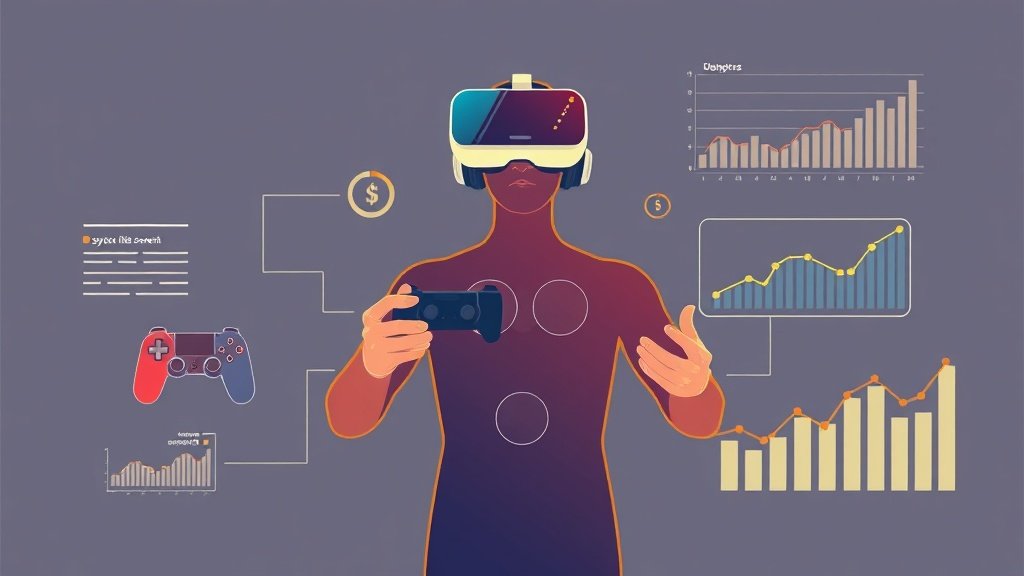
Spatial computing isn’t just a gadget show. It’s a fundamental shift in how people consume entertainment. Forget bigger TVs; think about a 3D overlay on your world, or a fully immersive experience you step into. This changes the rules for engagement and, crucially, for monetization.
We need to rethink how we capture value when content isn’t confined to a flat rectangle anymore. The industry is moving past simple subscription fees or static ad breaks for an experience that blends real and virtual. Your living room just got a lot more interesting – or at least, your *virtual* living room did.
This shift matters because it competes for attention in a new dimension. Short-form video platforms already battle streaming giants for eyeballs. Immersive media adds a full body experience to that contest. It’s no longer just about who has the best show; it’s about who offers the most compelling environment.
Monetization will diversify. Expect premium, experience-based subscriptions for exclusive immersive content. Think live virtual concerts, interactive narratives, or front-row seats to sports from your couch. This goes beyond the current monthly Netflix fee.
Advertising also evolves. We will see native, contextual placements within virtual spaces. Imagine a digital billboard in a virtual city you’re exploring, or a brand integration directly into an immersive story. These ads feel less intrusive and more a part of the environment.
Virtual goods and microtransactions, long the backbone of gaming revenue, will become standard. Avatar skins, virtual real estate, digital collectibles, or unique in-experience items offer new revenue streams. Platforms can leverage existing IP to create robust digital economies.
The gaming industry is far ahead here. Companies like Roblox and Epic Games already thrive on user-generated content and virtual item sales, often eclipsing traditional game sales. Their MAU/DAU figures are tied to active participation and spending within virtual worlds. Entertainment platforms must study and adapt these models.
Who gains? Creators fluent in 3D content will thrive. Platforms with strong existing IP—think Disney or Warner Bros. with deep character libraries—can extend their universes into new, monetizable dimensions. Hardware makers with integrated content strategies, like Apple or Meta, stand to capture significant ecosystem value.
Who loses? Those stuck in a 2D mindset. Platforms relying solely on traditional, all-you-can-eat subscription models without adapting to experiential content will fall behind. Content libraries alone won’t be enough if they don’t offer an immersive layer.
What to watch next: Keep an eye on ARPU from early spatial apps. Track user adoption rates for VR/AR devices and engagement metrics within these new environments. Look for hybrid models combining subscription with one-time purchases for premium experiences or in-world virtual goods. The next wave of entertainment dollars will likely come from a blend of all three.