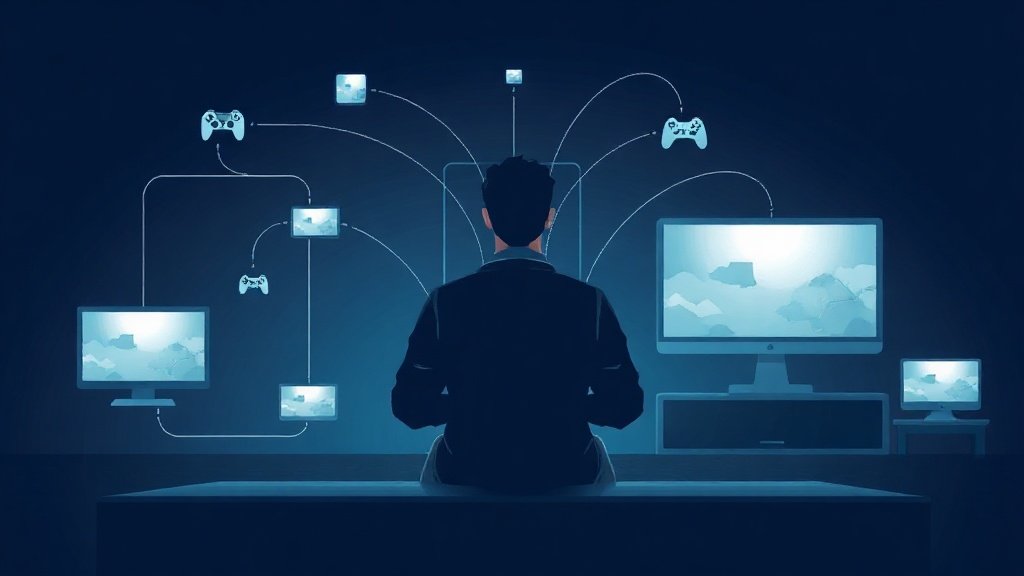
The digital entertainment business is less about the next big show and more about the hidden mechanics. It’s about delivering content, funding that delivery, and fighting for every minute of your attention. The glamor is on the screen, but the money is in the plumbing and the pockets.
This industry isn’t just a content game. It’s a tech and ad game, driven by efficient distribution, robust infrastructure, and smart advertising dollars. Understand these, and you understand where the industry is heading.
First, distribution. Getting content to your screen is a multi-layered challenge. It’s not just about an app. Telcos bundle services, smart TV manufacturers control home screen real estate, and platform fees are part of the landscape. If you don’t own the pipes, you pay for passage. Players with strong mobile partnerships or integrated device ecosystems, like Amazon with Fire TV, have an edge. They control more of the viewer journey.
Then, infrastructure. Every stream costs money. Data storage, content delivery networks (CDNs), transcoding for different devices, and security all add up. These aren’t small bills. Scale brings efficiency, but also requires massive upfront investment. Firms like Netflix built a significant portion of their own global delivery network, a huge competitive advantage. For others, cloud costs remain a critical line item, constantly optimized.
Third, advertising. Ad-supported tiers are no longer just a side hustle. They are core. Netflix and Disney+ both launched them, not out of kindness, but out of necessity. They needed new revenue streams when subscriber growth slowed. The shift of ad dollars from linear TV to connected TV (CTV) is real, and it’s accelerating. Publishers who control first-party data, knowing what you watch and how, can command higher ad prices. This makes ad-supported models increasingly viable, changing the economics of content funding.
Finally, attention economics. This is the ultimate prize. Your time is finite. Every minute spent on a streaming service is a minute not spent on YouTube, TikTok, or a gaming app. Gaming platforms, like Roblox or Fortnite, command billions of monthly active users. These aren’t just separate industries; they are direct competitors for screen time. Short-form video platforms also fragment attention, keeping it short and snappy.
Churn is the cost of losing this attention battle. Content needs to be compelling, yes, but also sticky and easily discoverable. Personalization algorithms are key here, guiding viewers to their next engagement. If you can’t keep eyes on your content, subscribers leave.
These four pillars are deeply intertwined. Robust infrastructure supports efficient distribution. Distribution helps capture more ad revenue and subscribers. Better ad revenue and subscriber ARPU fund better content, which wins the attention battle. The winners will be those who master the full stack: from the pixel delivered to the pocket picked. Watch for more consolidation in delivery, sharper ad targeting, and ever more inventive ways to keep you glued to the screen.