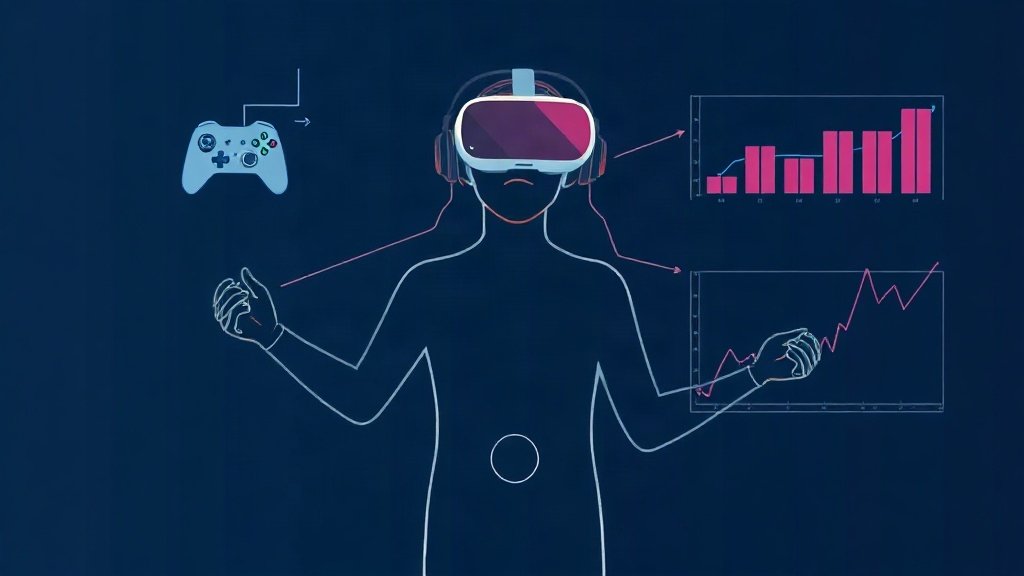
Spatial computing isn’t just another screen to throw content at. It’s a fundamental shift in how people experience digital entertainment. This means the ways platforms make money must also evolve. The subscription-only model, built for flat screens, faces an existential upgrade.
This matters because immersive media offers richer, more interactive experiences. Users don’t just watch; they participate. This deeper engagement opens new pathways for monetization beyond simple monthly fees or interruptive ads. It’s about selling access, ownership, and enhanced participation within a blended reality.
Today’s streaming market often struggles with churn and ARPU pressure. Platforms compete fiercely for limited attention and subscription dollars. Immersive content, however, offers a chance to tap into different revenue streams, learning lessons from the massive success of the gaming world.
Consider the gaming industry. It perfected monetizing virtual goods and premium experiences years ago. Players buy skins, battle passes, and access to exclusive content. This model, often driven by microtransactions and season passes, generates billions. It proves people will pay for digital items and enhanced experiences they “own” or access within a virtual space.
Spatial computing platforms like Apple Vision Pro or Meta Quest are the new storefronts. They allow users to place virtual objects and interact with digital entertainment directly within their physical environment. This isn’t just a 3D movie; it could be a virtual concert where you choose your seat, or a sports broadcast with live stats floating beside the action.
Monetization will move beyond basic subscriptions. We will see premium tiers for spatial experiences, not just higher resolution. Imagine paying extra to attend a virtual premiere with other fans, or to unlock exclusive backstage content in a spatial concert.
Virtual goods will be significant. Your avatar’s clothing, furniture for your virtual viewing room, or interactive elements within an immersive story. These represent personal expression and status, much like in games. Platforms will take a cut of these sales.
Advertising will also transform. Instead of pre-roll videos, we’ll see brand integrations directly into spatial environments. A virtual product placement you can interact with, or sponsored experiences that feel native to the environment. This offers brands more engaging, less intrusive ways to reach audiences.
Finally, the creator economy will thrive here. Tools will emerge for users to build their own spatial experiences, and platforms will enable them to monetize these creations. This expands the content library exponentially, drawing more users and more transactions.
The platforms that win will be those that master these hybrid monetization models. They need to understand the psychology of digital ownership and experiential spending, not just passive consumption. Watch for the blend of subscriptions, in-app purchases, and native advertising to define the next era of entertainment revenue. It’s not just a new screen; it’s a whole new till.