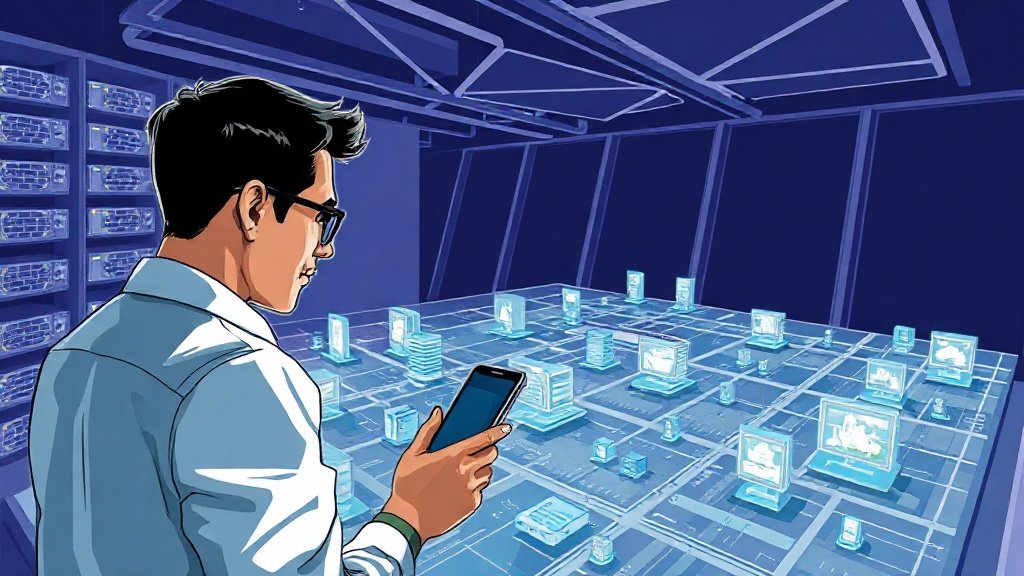
Spatial computing is more than a headset. It is a fundamental shift in how people consume and interact with digital content. We are moving from looking *at* screens to being *inside* experiences. This changes everything for entertainment platforms.
The flat screen has served us well, a real workhorse. But immersive media, driven by spatial tech, breaks the frame. Users move from passive viewers to active participants. This means less traditional “watching” and more “doing” or “experiencing.” Our business models must reflect this shift.
Think of it this way: Today, you subscribe to a service to watch a movie. In spatial computing, you might *enter* a movie. You could explore a scene, interact with characters, or experience a concert from the stage. This depth unlocks new monetization opportunities beyond simple subscription or ad views.
The first big play is premium interactive experiences. We will charge for access to unique virtual events, live performances, or narrative worlds. Think pay-per-view, but for an entire shared environment. This goes beyond existing gaming models; it’s about rich, multi-sensory storytelling.
The real money, however, lies in virtual goods and in-experience purchases. Look at gaming. Platforms like Roblox or Fortnite generate billions not just from game sales, but from skins, emotes, and virtual real estate. Users crave personalization. In immersive entertainment, this extends to virtual avatars, personal spaces, and even digital companions. We can sell limited-edition items or exclusive access within these worlds.
Advertising also gets a spatial upgrade. Static banner ads disappear. Instead, brands will integrate products directly into virtual environments. Think about a character in a spatial drama interacting with a real-world product. Or virtual stores within a social hub. This native integration offers higher engagement and more precise targeting. It moves from interruption to interaction.
Another angle is creator tools and marketplaces. As users create their own spatial content – mini-games, virtual art installations, interactive stories – platforms can monetize the tools, the hosting, or a percentage of their sales. This taps into the creator economy, turning users into co-developers.
We need to track user engagement depth, not just monthly active users (MAU). How long are people staying in these spatial experiences? What are they buying? What content are they creating? These metrics will define success. Early ARPU (average revenue per user) from existing virtual world platforms hints at significant potential.
The platforms that win will build robust ecosystems. They will provide compelling content *and* empower user creation. Those clinging to linear, flat-screen monetization risk falling behind. The shift to spatial is not just about new tech; it’s about a new economy.