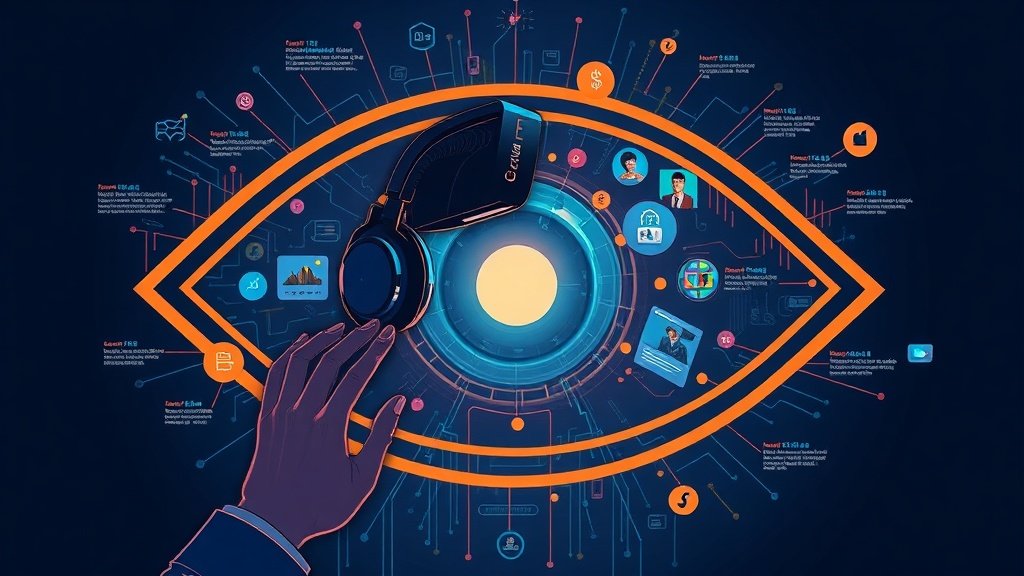
Spatial computing and immersive media are not futuristic pipe dreams. They are here, slowly reshaping how entertainment platforms will make money. Forget the flat screen. We are moving into a world where experiences become monetizable assets, challenging the traditional subscription-only model.
This shift matters deeply. It offers new avenues to boost average revenue per user (ARPU) beyond simple access fees. Platforms will sell more than content; they will sell presence, participation, and personalized virtual goods.
Headset adoption remains niche, but Apple’s entry with Vision Pro, alongside Meta’s existing Quest user base, signals serious hardware bets. This opens the door for new content formats, albeit a small door for now. But prepare for a larger crowd.
The old subscription model feels flat in a 3D world. We see gaming companies already leading the charge. Roblox users, for instance, spent billions on virtual items and experiences in 2023. Fortnite’s concerts draw massive, monetizable audiences. This isn’t just game revenue; it’s a blueprint for all entertainment.
Traditional streaming services must pay attention. Their linear video focus is powerful, but it’s a passive experience. Immersive content demands interaction. Think premium virtual events, exclusive social viewing parties in a metaverse, or buying virtual outfits for your avatar that mirrors what’s on screen.
Advertising in these new spaces also offers fresh inventory. Imagine product placements not just in a show, but within the virtual environment where you watch it. Or interactive ads you can “reach out and touch.” This could bring significant ad revenue growth to platforms willing to experiment.
Who gains? Platforms that embrace interactive storytelling and user-generated content first. Gaming giants, with their existing monetization infrastructure for virtual economies, have a head start. Legacy streamers must adapt or collaborate, otherwise they risk losing significant engagement and wallet share to these interactive competitors.
Watch for partnerships between content studios and game developers. Look at how user-generated content platforms begin integrating spatial tools. The next wave of entertainment won’t just be viewed; it will be lived. And that living, platforms hope, will be very profitable.