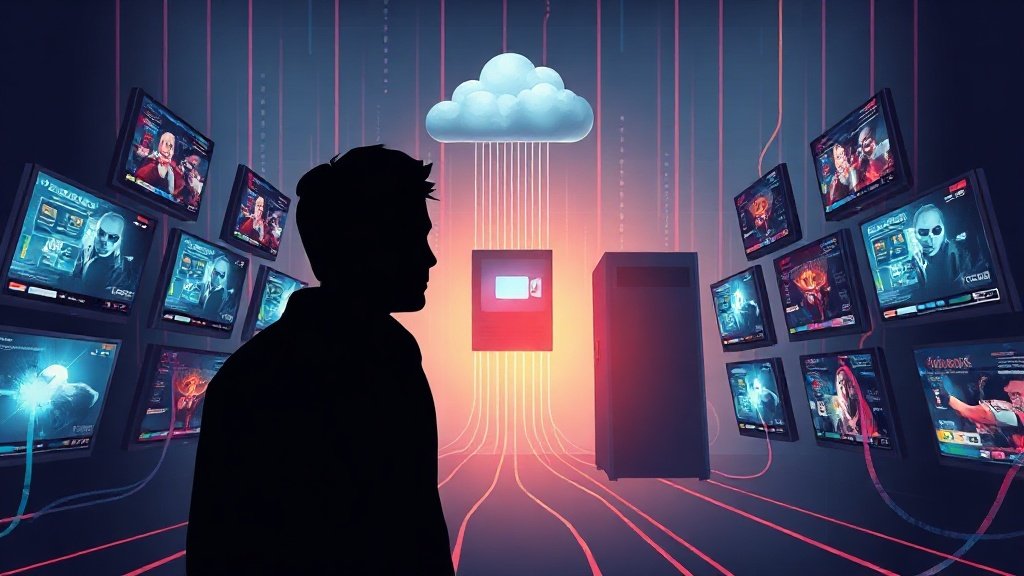
Digital entertainment is more than a good show. It is a complicated dance between getting content to you, powering that delivery, and then paying for it all. The business happens far beyond the credit sequence. Success rides on unseen infrastructure, clever distribution, smart ad sales, and a relentless fight for your attention.
Your favorite streaming service makes money in a few ways. Most obvious: subscriptions. But the real game is getting those subscriptions, keeping them, and monetizing the time you spend even if you don’t pay. This requires a focused strategy on every link in the chain.
First, distribution. Simply put, getting the show to your screen. Netflix used to be the main app on your smart TV. Now, every major streamer wants that spot. More services mean more apps. This led to aggregator plays, like Prime Video offering add-on channels, or telecom companies bundling subscriptions. JioHotstar in India leveraging telecom scale shows how crucial these partnerships are for reach. Who wins? Platforms that simplify access, reducing friction. Who loses? Standalone apps without broad device or carrier support.
Next, infrastructure. This is the unsung hero, the digital plumbing. Content Delivery Networks (CDNs) are critical. They cache content closer to you, preventing buffering. Imagine millions watching a live event; without robust CDNs and cloud infrastructure, it’s a freeze-frame festival. Companies like Disney+ Hotstar handle massive, concurrent viewership during cricket matches, a direct test of this backend muscle. Lag means churn. Fast, reliable streams keep subscribers happy, even if they never think about the tech behind it.
Then, advertising. The shift from pure subscription (SVOD) to hybrid models (AVOD) is now mainstream. Netflix and Disney+ both added ad-supported tiers. This isn’t just about cheaper options. It’s about monetizing a larger user base and attracting those unwilling to pay full price. FAST channels (Free Ad-supported Streaming TV) are also growing, turning old content into new ad revenue. Think of a viewer switching from YouTube’s user-generated content to a FAST channel with curated shows; both vie for ad dollars on different content. It’s a land grab for eyeballs, plain and simple.
Finally, consumer attention economics. This is the ultimate scarce resource. Your time. Every minute you spend watching a show is a minute you aren’t playing a mobile game or scrolling TikTok. Short-video apps, gaming platforms like Roblox or PlayStation, even VR/AR experiences, all compete directly with streaming services. Gaming, especially, is a huge rival. It often has higher engagement metrics (MAU/DAU) and direct monetization through in-app purchases. Churn rates directly reflect how well a service holds that precious attention. If you’re bored, you’re gone.
So, the business of digital entertainment is a complex, continuous battle. It’s not just greenlighting a hit show. It’s about building efficient pipes, striking smart distribution deals, selling ads effectively, and ultimately, winning your time away from a hundred other distractions. Every player needs to master all these acts to stay on stage.