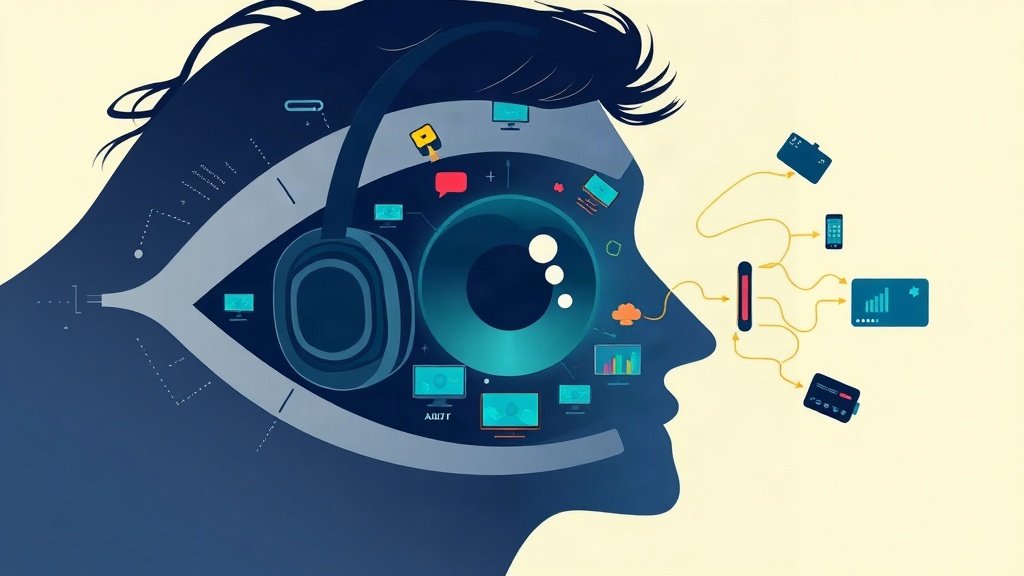
The streaming wars were never just about content. That was the flashy part, the bait. The real battles are fought over distribution, the plumbing of infrastructure, the scramble for advertising dollars, and, most critically, your increasingly fragmented attention. These four pillars dictate who wins and who merely survives.
Distribution is the new gatekeeper. Roku, Amazon Fire TV, and Apple TV are not just devices; they are the cable boxes of the streaming era. They command a significant cut, often 20-30%, of subscription revenue funneled through their platforms. This control means they can dictate terms, influence app visibility, and ultimately decide whose content reaches the living room screen. Streamers without a strong direct-to-consumer path or proprietary hardware are always beholden.
Underneath it all lies infrastructure. Delivering high-quality video to millions simultaneously across the globe is no small feat. It requires massive investment in Content Delivery Networks (CDNs) and cloud computing. Think about Netflix’s multi-billion dollar annual spending on technology and development. Buffering or poor resolution quickly leads to churn. This plays directly into the hands of cloud giants like AWS, Google Cloud, and Azure, who provide the backbone for most streaming services. Their operational efficiency is a hidden competitive advantage.
Subscription fatigue is real. After years of pure SVOD plays, the market shifted hard towards advertising-supported video on demand (AVOD) and hybrid models. Netflix and Disney+ launched ad tiers, signaling a clear path to diversified revenue. Disney+’s ad-supported tier, for instance, saw subscriber growth that sometimes outpaced its ad-free counterpart. Ads lower the price point for consumers, expand the total addressable market, and provide a lucrative, recurring revenue stream that pure subscription models struggle to match. It’s the return of TV advertising, but with vastly superior targeting.
Then there is the ultimate prize: consumer attention. This is a zero-sum game. Every minute spent scrolling TikTok, playing a mobile game, or engaging on social media is a minute not spent watching a streaming show. Gaming, in particular, pulls significant engagement; mobile gaming revenue often dwarfs that of entire streaming markets in many regions. Services that offer a wider array of experiences – like YouTube with its blend of long-form, short-form, and music video, or Amazon Prime’s integration of video, music, and shopping – capture more total time. Netflix’s push into mobile gaming is a direct response to this attention crunch.
These four elements are not separate challenges. They interlock. Efficient infrastructure can reduce costs, freeing up capital for content or to lower ad-supported subscription prices. Strong distribution ensures your service is easily found. Robust ad tech increases ARPU and makes the service more sustainable. All these efforts aim to maximize attention, the scarcest resource of all. The next wave of winners won’t just create great shows; they will master this full value chain, from pipeline to eyeball.