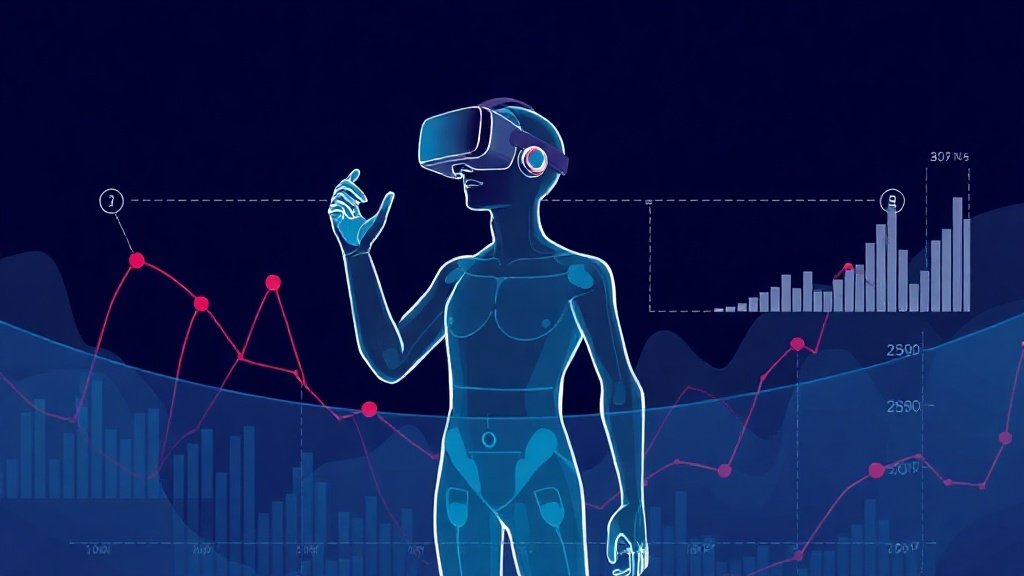
AI infrastructure spending is fundamentally changing the economics of digital entertainment. This isn’t just about algorithms improving recommendations. It’s about massive capital investment in compute power, data pipelines, and specialized chips. These investments rewrite content creation, distribution, and consumption.
Studios, streamers, and spatial computing ventures now treat AI infrastructure as a core asset, not just an IT expense. This shift impacts balance sheets and long-term strategy. It determines who can innovate faster, produce cheaper, and engage audiences more deeply.
Streaming Economics
AI tools directly cut production costs. Think virtual sets, de-aging actors, or AI-assisted visual effects. A major studio might reduce post-production cycles by 20% on a tentpole film. This saves tens of millions, freeing budget for more content or higher profit margins.
AI-driven personalization boosts subscriber retention. Netflix uses AI to fine-tune recommendations, directly reducing churn. Dynamic ad insertion, another AI play, can lift ad revenue per user. One streaming service reported a 15% increase in ARPU from personalized ad placements. AI also automates content metadata tagging, moderation, and multi-language localization. This slashes operational overhead, turning manual, expensive processes into automated, scalable ones.
Studio Strategy
AI tools accelerate script development, storyboarding, and pre-visualization. A studio can greenlight and move content to production much faster. This means more titles, quicker response to trends, and a more robust pipeline.
AI can generate new narrative arcs or character variations from existing IP. This extends franchise life without full, costly human-led remakes. It creates new revenue streams from familiar brands. The scramble for AI engineers and data scientists is real. Studios need this new talent as much as cinematographers, forcing traditional creative houses to become tech companies too.
Spatial Computing Business Models
Developing immersive VR/AR content is expensive and labor-intensive. AI infrastructure drives down these costs by generating realistic 3D assets, environments, and character animations. This makes spatial experiences more accessible to creators.
Complex spatial computing relies on cloud streaming for rendering. This moves the heavy lifting from a user’s device to powerful server farms. Meta, for example, heavily invests in AI infrastructure to power its metaverse ambitions, enabling richer, real-time virtual worlds. AI also tailors spatial experiences in real-time. Think adaptive game environments or personalized virtual shopping aisles. This deepens user engagement and opens new monetization avenues like AI-powered virtual product placements.
What to Watch Next
Monitor how quickly companies recover their significant GPU cluster investments. This will dictate further spending and market consolidation. Expect entirely new forms of entertainment to emerge from AI-driven tools, blending gaming, storytelling, and interactivity in novel ways. The demand for AI talent will reshape organizational structures. Studios that bridge the creative-tech divide fastest will pull ahead.