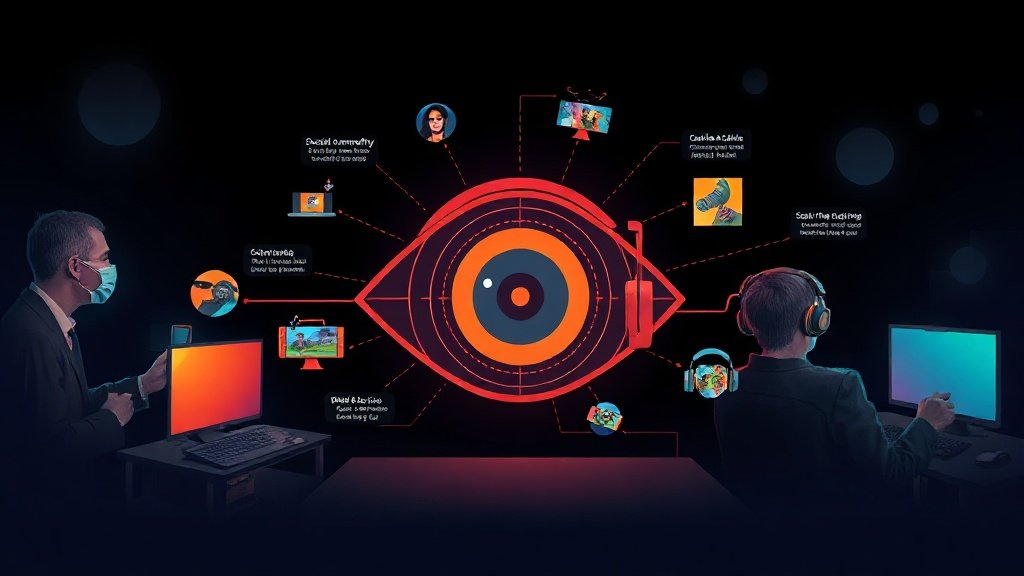
Spatial computing is more than just fancy goggles. It defines the next generation of digital interaction. This shift will fundamentally change how entertainment platforms generate revenue, moving beyond simple subscriptions or ad views. We are stepping into experiences, not just watching them.
This isn’t a science fiction future. It’s an evolving market reality. Think of it as blending our physical world with digital content, not just placing a screen in front of our eyes. It means content becomes interactive, immersive, and often shared with others in a digital space.
**Why It Matters: From Passive to Participatory**
Traditional streaming is largely passive. You watch. Spatial computing demands participation. This opens new monetization avenues that echo, and expand upon, successful models in gaming.
Consider the gaming industry’s ARPU. Games like Fortnite or Roblox leverage in-app purchases for skins, emotes, and virtual real estate. Their players spend money on digital identity and experiences within the game world. This model generates billions. Current streaming ARPU, by comparison, often struggles to break double digits without significant ad loads. The potential uplift from active participation is substantial.
**New Monetization Structures Emerge**
First, expect tiered access. A basic subscription covers 2D content. A premium tier offers access to immersive shows, live events, or interactive story worlds. Think a pay-per-view virtual concert with thousands of other avatars, not just a stream on your TV. Platforms can charge for entry, exclusive virtual merchandise, or unique in-event interactions.
Second, in-experience purchases become key. This isn’t just for games. Imagine buying a virtual jersey for your avatar to wear while “sitting courtside” at a live spatial sports broadcast. Or paying for exclusive digital assets within a new interactive film. This aligns with what we see in esports and gaming communities where fans invest heavily in their digital personas and experiences.
Third, advertising will evolve. Static banner ads won’t cut it. Brands will sponsor virtual spaces, objects, or even integrate products seamlessly into immersive narratives. Consider a character in a spatial show using a specific brand’s virtual product. Or a sponsored “portal” that takes you to a branded experience. This shifts from interruption to contextual integration, making ads part of the experience.
Finally, the creator economy takes a leap. Platforms that provide robust tools for users to create their own spatial content – be it virtual environments, short interactive stories, or educational modules – can take a cut of those creations. Roblox has shown the power of user-generated content for platform growth and revenue. This moves platforms from merely content distributors to ecosystem enablers.
**What to Watch Next**
Keep an eye on content spending by major players. Are they just adapting existing IP for headsets, or are they greenlighting original, purpose-built spatial experiences? Watch the development of open standards and user-friendly creation tools. These will democratize access, much like YouTube did for video creators. Hardware adoption rates matter, but the “killer app” beyond traditional gaming will truly drive this market. It’s not just about the device; it’s about the desire to step inside.