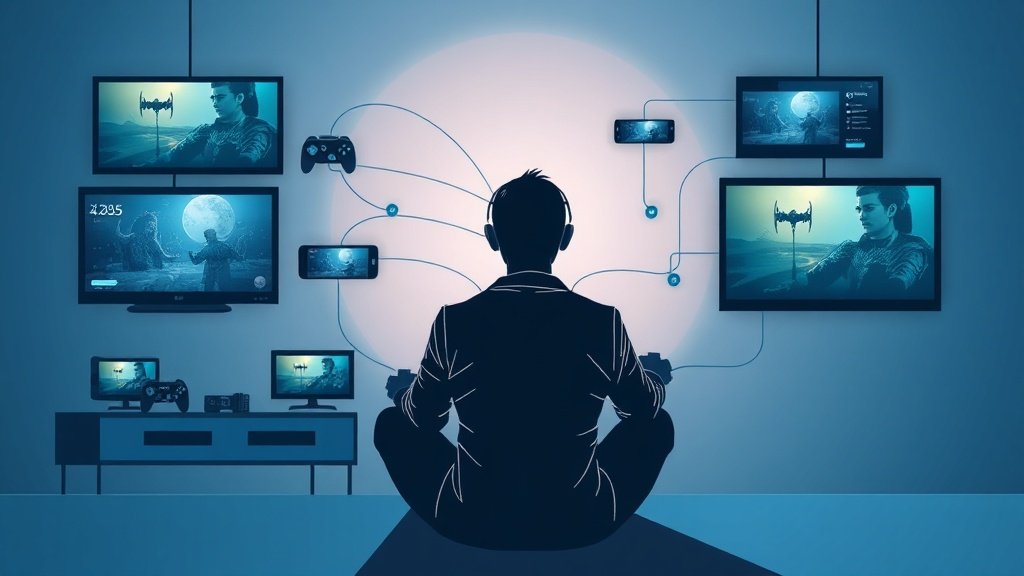
The business of digital entertainment extends far beyond content libraries and shiny new original series. We spend billions producing shows, yet the real battleground is often in the plumbing: distribution, infrastructure, advertising, and the economics of consumer attention. Without mastering these, even a blockbuster show can fall flat.
Distribution is where telcos and device makers extract their pound of flesh. They control the pipes. Bundling services with mobile plans or smart TVs makes sense for the consumer. It locks them in, offers convenience. Remember when Disney+ Hotstar rode Jio’s coattails, adding millions of subscribers? Telcos don’t just deliver data; they deliver audiences. They become the gatekeepers, charging for access to “their” customers.
Infrastructure is the silent cost center. Every 4K stream needs bandwidth. CDNs deliver that content efficiently, but at a price. Cloud storage for vast libraries adds up. Delivering video at scale is technically complex and financially demanding. Companies with their own cloud infrastructure, like Amazon (AWS for Prime Video) or Google (YouTube, Google Cloud), gain a hidden advantage. Their marginal cost per stream can be lower, squeezing smaller players.
Advertising has gone from anathema to essential. Netflix, the original ad-free champion, now embraces AVOD. Disney+ relies on it. Ad tiers lower the entry price for subscribers and pump up ARPU for the platform. This is especially true in markets where consumers are price-sensitive but ad-tolerant. But there’s a delicate balance: too many ads, or poorly targeted ones, will drive churn straight into the arms of an ad-free competitor. Ad tech becomes as critical as content production.
Consumer attention is the ultimate scarce resource. This is where streaming competes not just with other streamers, but with short-form video, social media, and especially gaming. TikTok’s daily active users often dwarf streaming services. Roblox and Fortnite are not just games; they are social platforms where kids spend hours. If your show isn’t captivating within seconds, that viewer is swiping, gaming, or chatting elsewhere. Mobile gaming revenue, for instance, often exceeds the entire global film industry. These platforms aren’t just taking dollars; they’re taking time.
The future of digital entertainment requires a blend of these elements. Content is king, sure, but it needs a kingdom of robust distribution, efficient infrastructure, smart ad strategies, and a relentless focus on capturing and holding attention. The consumer’s wallet is finite. Their screen time is even more so. Ignore the pipes, the ads, or the competition for eyeballs at your peril.